
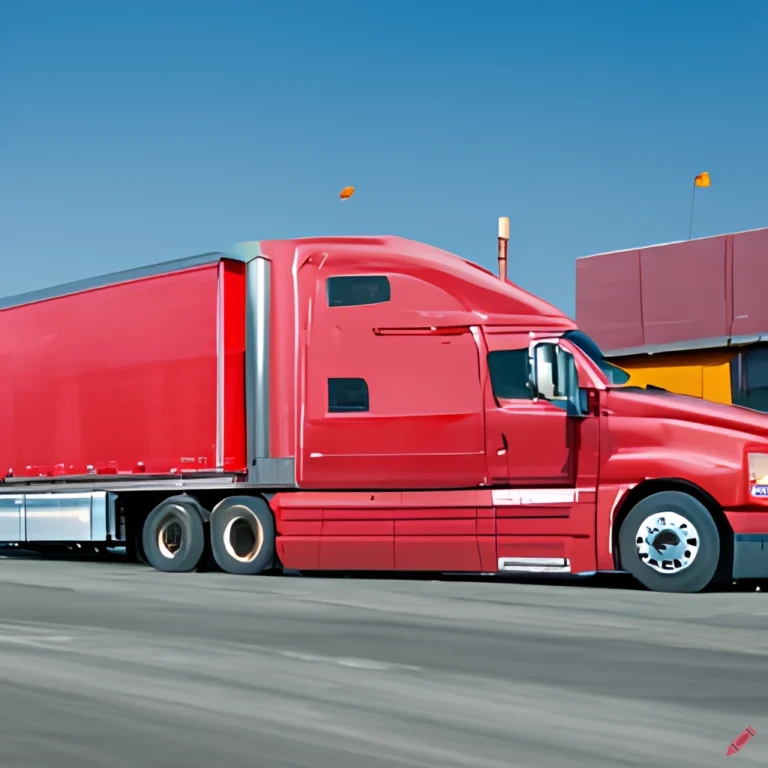
The transportation and logistics industry plays a crucial role in global trade and commerce. However, it also contributes significantly to greenhouse gas emissions, making it a major contributor to climate change. As the world becomes more environmentally conscious, it’s important for the logistics industry to take steps to reduce its carbon footprint. In this article, we will discuss how to reduce the carbon footprint in trucking and warehousing.
- Optimize Routes
One of the most effective ways to reduce the carbon footprint of trucking is to optimize routes. By using routing software, trucking companies can identify the most efficient routes to reduce fuel consumption and emissions. This can also help to reduce delivery times, making the logistics process more efficient overall.
- Implement Telematics
Telematics is a technology that uses sensors and GPS to track and monitor the performance of vehicles. By implementing telematics, trucking companies can monitor fuel consumption, driver behavior, and vehicle maintenance. This can help to identify areas where fuel efficiency can be improved and reduce emissions.
- Use Alternative Fuels
Another way to reduce the carbon footprint of trucking is to use alternative fuels. Electric, hybrid, and natural gas-powered trucks produce fewer emissions than traditional diesel trucks. While the upfront costs of these vehicles may be higher, the long-term savings on fuel costs and reduced emissions make them a more sustainable option.
- Increase Warehouse Efficiency
Warehouses also play a crucial role in reducing the carbon footprint of the logistics industry. By increasing warehouse efficiency, companies can reduce the number of trips required to transport goods and reduce energy consumption. This can be achieved by implementing automation, optimizing warehouse layouts, and reducing idle time for equipment.
- Implement Sustainable Packaging
Packaging is another area where the logistics industry can reduce its carbon footprint. By implementing sustainable packaging practices, such as using recyclable or biodegradable materials, companies can reduce waste and emissions associated with the production and disposal of packaging materials.
- Collaborate with Suppliers
Collaborating with suppliers is another effective way to reduce the carbon footprint of trucking and warehousing. By working together to optimize transportation and logistics processes, companies can reduce the number of trips required to transport goods, reduce fuel consumption, and minimize emissions.
Conclusion
Reducing the carbon footprint of trucking and warehousing is essential for the logistics industry to become more sustainable and environmentally conscious. By implementing strategies such as optimizing routes, using alternative fuels, increasing warehouse efficiency, implementing sustainable packaging, and collaborating with suppliers, companies can reduce their environmental impact while also improving their bottom line. Taking these steps will not only benefit the planet, but also help companies to stay competitive and meet the growing demand for sustainable logistics practices.
Order Lumper Services Here!
Get in touch with us to arrange for your next service
Share this post with your friends
Recent Posts

- 604-757-7804
- 604-757-7804
- info@LumperHQ.com