
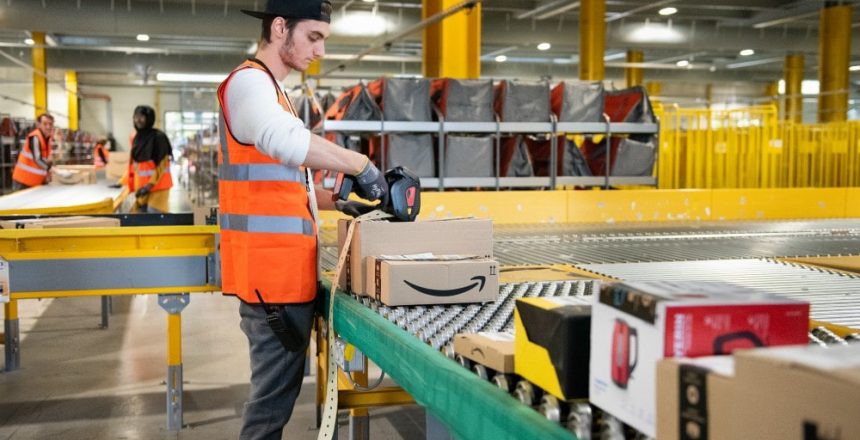
Warehouse work can be physically demanding, and employees need to be able to perform their tasks safely and efficiently. Accommodating the physical demands of warehouse work is crucial for ensuring that employees are able to work comfortably and safely, and for reducing the risk of injury. In this article, we will explore some of the best practices for accommodating the physical demands of warehouse work.
Ergonomic Equipment and Workstations Ergonomic equipment and workstations are essential for reducing the physical demands of warehouse work. This includes the use of ergonomic tools and equipment, such as hand trucks and pallet jacks, and the design of workstations to minimize the risk of injury. For example, adjustable workstations can help to reduce the strain on employees’ backs, necks, and shoulders, and the use of ergonomic hand trucks can help to reduce the risk of repetitive strain injuries.
Providing Adequate Training Adequate training is crucial for ensuring that employees are able to perform their tasks safely and efficiently. This includes training in the safe handling of heavy equipment, the use of personal protective equipment, and the proper handling of hazardous materials. By providing comprehensive training, warehouses can help to create a safer work environment for their employees and reduce the risk of injury.
Regular Breaks and Stretch Sessions Regular breaks and stretch sessions are important for reducing the physical demands of warehouse work. Breaks provide employees with an opportunity to rest and recover from the physical demands of their work, and stretch sessions can help to reduce the risk of repetitive strain injuries. By providing regular breaks and stretch sessions, warehouses can help to ensure that employees are able to work comfortably and safely.
Encouraging a Healthy Lifestyle Encouraging a healthy lifestyle is crucial for reducing the physical demands of warehouse work. This includes encouraging employees to eat a healthy diet, to get regular exercise, and to get adequate sleep. By promoting a healthy lifestyle, warehouses can help to ensure that employees are physically prepared for the demands of their work and reduce the risk of injury.
Implementing Workplace Safety Programs Implementing workplace safety programs is essential for reducing the physical demands of warehouse work. This includes regular safety training, regular safety inspections, and the development of procedures to prevent and respond to workplace accidents and injuries. By implementing effective workplace safety programs, warehouses can help to create a safer work environment for their employees and reduce the risk of injury.
In conclusion, accommodating the physical demands of warehouse work is crucial for ensuring that employees are able to work safely and efficiently. By implementing ergonomic equipment and workstations, providing adequate training, encouraging regular breaks and stretch sessions, promoting a healthy lifestyle, and implementing workplace safety programs, warehouses can help to ensure that employees are able to work comfortably and safely, and reduce the risk of injury.
Order Lumper Services Now!
Get in touch with us to arrange for your next service
Share this post with your friends
Recent Posts

- 604-757-7804
- 604-757-7804
- info@LumperHQ.com