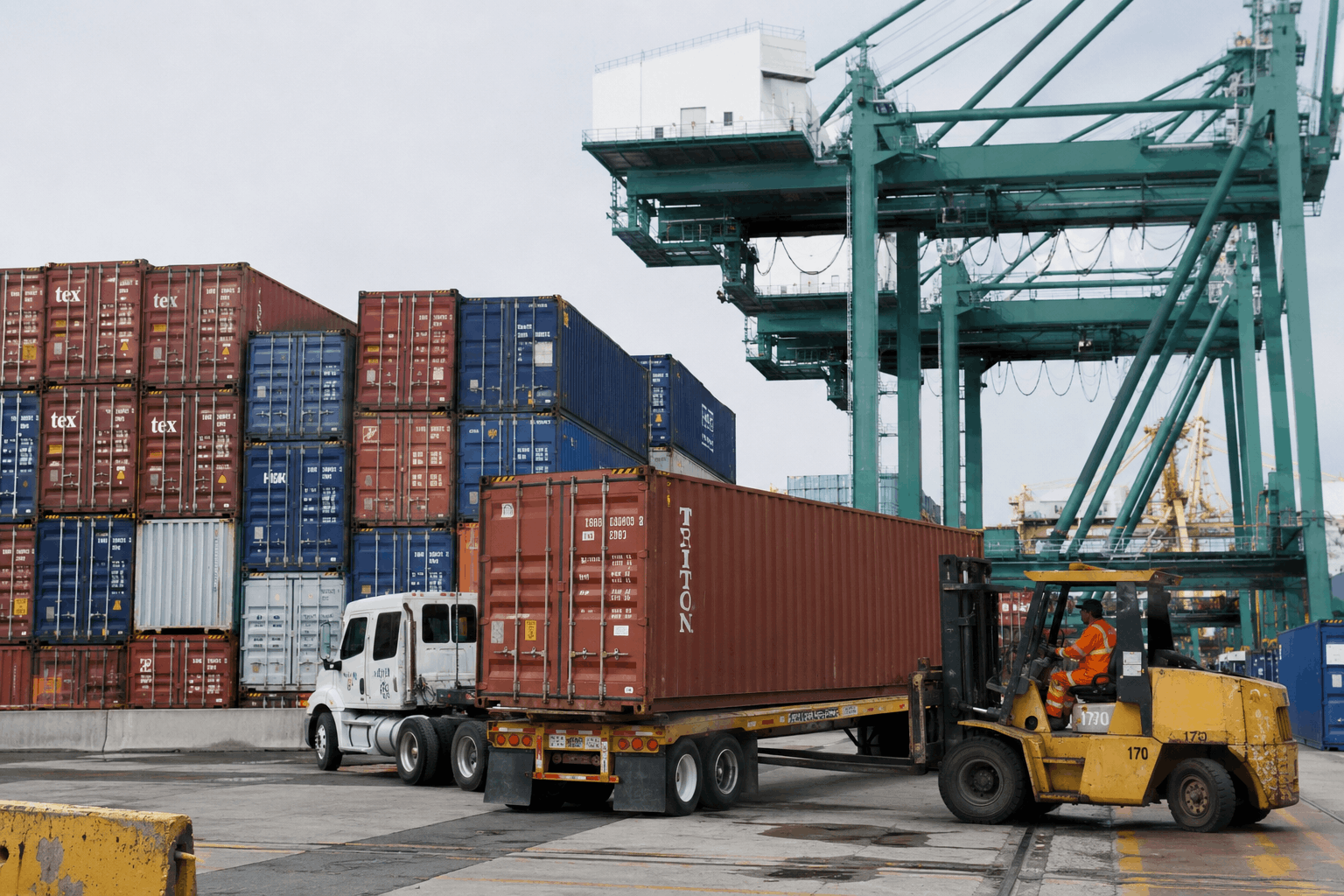
Over the last few years, tariffs have become one of the biggest hidden pressures on the shipping and warehousing industry. While most people hear about tariffs in relation to politics or international trade, the effects go much deeper than that. They directly impact the number of containers arriving at ports, the speed of warehouse operations, and ultimately the amount of work available for lumper companies.
For companies working in logistics every day, the slowdown is impossible to ignore.
When tariffs increase on imported goods, the cost of bringing products into the country rises. Importers and retailers suddenly have to pay more just to move inventory across borders. In many cases, businesses respond by reducing orders, delaying shipments, or looking for alternative suppliers in different countries.
The result is fewer containers moving through major ports.
Ports that were once packed with inbound freight can experience noticeable dips in volume during periods of higher trade tension or increased import taxes. Some businesses become cautious about over-ordering inventory, especially when consumer demand is uncertain. Others simply cannot absorb the additional costs without raising prices.
This creates a chain reaction throughout the supply chain.
For lumper companies, container volume is everything. Less freight arriving at ports means fewer containers needing unloading services. Warehouses that normally receive dozens of containers per day may suddenly cut back schedules or spread deliveries farther apart. In slower periods, lumpers can experience reduced hours, unpredictable workloads, and tougher competition for contracts.
It also affects staffing.
Many lumper companies rely on maintaining a steady workforce that can respond quickly when containers arrive. But when volume becomes inconsistent, scheduling becomes more difficult. Some days are overloaded while others are extremely quiet. This instability can create challenges for both business owners and workers trying to maintain reliable income.
Warehouses are feeling the pressure too.
Importers are becoming more selective about what products they bring in, which changes unloading priorities inside distribution centers. Some facilities are holding inventory longer instead of rapidly cycling containers through the building. Others are attempting to reduce operational costs by negotiating lower unloading rates or consolidating shipments.
For smaller lumper companies, this environment can be especially difficult. Larger logistics providers often have long-term contracts and diversified customer bases that help cushion slower periods. Smaller operators may depend heavily on a few warehouses or importers, making them more vulnerable when freight volume drops.
At the same time, the industry is adapting.
Some importers are shifting manufacturing away from heavily tariffed countries to reduce costs. Others are changing shipping strategies entirely, including routing freight through different ports or relying more heavily on domestic suppliers. These adjustments create new opportunities for logistics companies willing to stay flexible.
For lumper companies, relationships and reliability are becoming even more important than before. During slower markets, warehouses want partners they can trust to work efficiently, communicate well, and handle fluctuating volumes without issues. Companies that provide dependable service often stand out when customers become more selective.
Technology is also playing a larger role. Many warehouses are trying to improve scheduling, reduce turnaround times, and maximize labor efficiency to offset rising costs tied to tariffs and supply chain disruptions. Lumper companies that can adapt to these operational changes may position themselves better for long-term growth.
Even though tariffs can temporarily slow container traffic, global trade is still moving. Consumers continue buying products, retailers still need inventory, and warehouses still require unloading services. The difference is that companies throughout the supply chain are now operating more cautiously and strategically than they did during peak import years.
For the logistics industry, the current environment is a reminder of how connected everything really is. A policy decision made thousands of miles away can directly impact the number of containers arriving at a warehouse dock — and the amount of work available for the crews unloading them.
For lumper companies, staying adaptable, building strong partnerships, and maintaining reliable service may be the key to surviving slower periods and growing when freight volumes eventually rebound