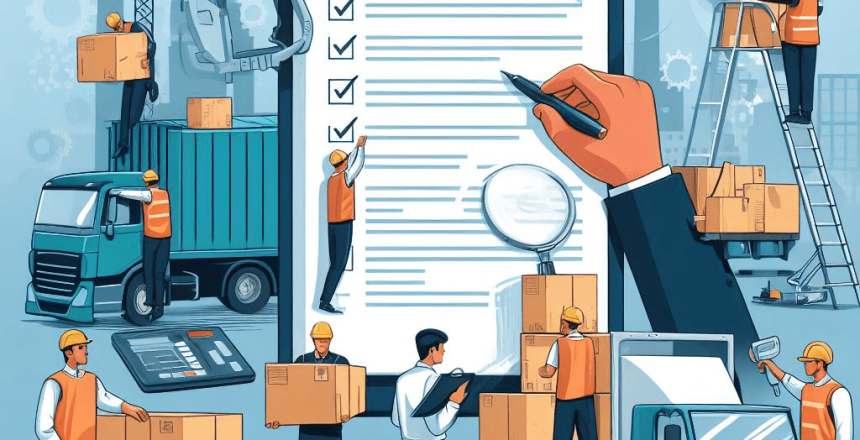
Lumper services are an indispensable part of the logistics and supply chain industries, ensuring the efficient handling of goods during loading and unloading. However, like any other sector, the lumper industry faces its share of challenges that can impact efficiency, safety, and cost-effectiveness. In this article, we’ll delve into the top 10 challenges in the lumper industry and explore strategies to overcome them.
1. High Turnover Rates
Challenge: The lumper industry often grapples with high turnover rates among lumpers, leading to inconsistency and quality issues.
Solution: Invest in comprehensive training programs, offer competitive wages, and create a positive work environment to reduce turnover and retain skilled lumpers.
2. Safety Concerns
Challenge: Handling a wide range of cargo, including fragile and hazardous materials, poses safety challenges for lumpers.
Solution: Prioritize safety by providing adequate training, safety equipment, and implementing strict safety protocols. Regular safety audits and education can also help mitigate risks.
3. Regulatory Compliance
Challenge: Complying with ever-evolving regulations related to cargo handling and worker safety can be daunting.
Solution: Stay informed about the latest regulations, provide ongoing training, and ensure that your lumper service provider is well-versed in compliance requirements.
4. Inefficiency in Scheduling
Challenge: Scheduling lumpers at the right time and place can be challenging, leading to delays and additional costs.
Solution: Invest in scheduling software and systems that optimize lumper placement, reduce waiting times, and minimize downtime.
5. Communication Breakdowns
Challenge: Poor communication between businesses, truck drivers, and lumper service providers can lead to misunderstandings and delays.
Solution: Implement robust communication channels, use digital tools for real-time updates, and ensure that all parties are well-informed and coordinated.
6. Hidden Costs
Challenge: Hidden or unexpected costs associated with lumper services can strain budgets and erode profitability.
Solution: Negotiate transparent fee structures with lumper service providers and closely monitor invoices to identify any discrepancies or unexpected charges.
7. Inadequate Training
Challenge: Inadequately trained lumpers can lead to mishandling of cargo and accidents.
Solution: Prioritize training and certification programs to ensure that lumpers are equipped with the necessary skills to handle diverse types of cargo safely and efficiently.
8. Dependence on Manual Processes
Challenge: Relying on manual record-keeping and administrative processes can lead to errors and inefficiency.
Solution: Embrace technology, such as digital record-keeping, mobile apps, and automation, to streamline administrative tasks and reduce human error.
9. Inconsistent Service Quality
Challenge: Inconsistent service quality can affect customer satisfaction and harm a lumper service provider’s reputation.
Solution: Implement stringent quality control measures, conduct regular performance evaluations, and reward outstanding service to motivate lumpers.
10. Shortage of Skilled Lumpers
Challenge: Finding and retaining skilled lumpers with experience in various cargo types can be challenging.
Solution: Establish relationships with lumper agencies or training programs to ensure a consistent supply of skilled lumpers. Encourage continuous professional development to improve lumper skills.
Conclusion
The lumper industry is critical for the smooth flow of goods in the logistics and supply chain sectors. While it faces numerous challenges, proactive measures and strategic solutions can mitigate these issues and enhance the efficiency, safety, and cost-effectiveness of lumper services. By investing in training, safety, technology, and transparent communication, the lumper industry can continue to play a vital role in the global movement of goods.